
Last updated: July 2026 Reviewed by the BC strata and commercial property management team at Duka Management
Proactive building maintenance is the difference between a property that keeps chasing repairs and a property that is actively managed.
For BC strata councils and commercial property owners, the issue is rarely one isolated work order. A leak comes back. A drain clogs again. A rooftop unit keeps generating comfort complaints. A contractor says a component is near end of life, but the budget discussion never happens. A maintenance log exists, but no one is using it to guide decisions.
That is where proactive building maintenance matters. It turns maintenance from a repair queue into a management system: inspect, record, prioritize, budget, communicate, follow up, and escalate when the pattern points to a bigger building issue.
This article is general educational information, not legal, engineering, accounting, insurance, safety, or investment advice. BC strata councils and commercial owners should rely on qualified professionals for property-specific decisions.
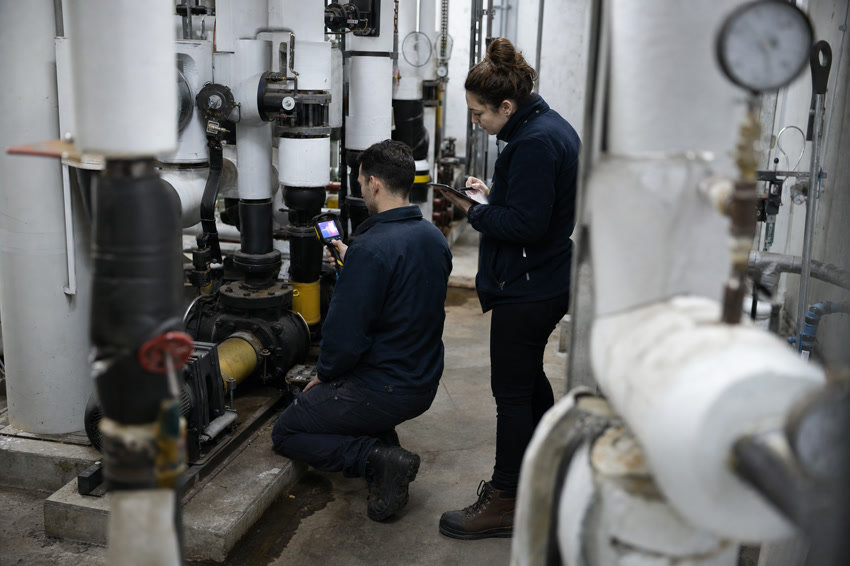
What Proactive Building Maintenance Means
Proactive building maintenance is a structured way of managing building condition before problems become emergencies.
It is not the same as simply calling vendors quickly. It is also not just a list of recurring tasks. A proactive maintenance program connects daily building activity to records, vendor follow-through, owner or council decisions, and long-term planning.
In practice, it usually includes:
- regular inspections of critical building areas
- a working maintenance calendar
- clear issue tracking
- repair and replacement documentation
- vendor scope control
- budget and capital planning support
- emergency readiness
- communication with councils, owners, tenants, and occupants
The goal is not to predict every failure. Buildings are too complex for that. The goal is to make problems visible early enough that the council or owner can make better decisions.
Duka’s comprehensive BC property management services are built around that operating discipline: organized communication, maintenance coordination, reporting, vendor follow-up, and practical property oversight.
Reactive vs. Preventative vs. Proactive Maintenance
Reactive maintenance waits for something to fail. A door breaks, a leak appears, a tenant complains, a council member reports a concern, and then someone calls a vendor.
Preventative maintenance is better. It schedules routine service before failure. HVAC filters are changed. drains are cleared, fire and life-safety systems are inspected, doors are serviced, and roofs are reviewed before the worst weather arrives.
Proactive building maintenance goes one step further. It asks what the inspection results, invoices, complaints, contractor notes, emergency calls, depreciation report, and budget trends are saying together.
A preventative program might service the same system every season. A proactive program asks:
- Is the same deficiency recurring?
- Are emergency calls increasing?
- Is repair spending rising faster than expected?
- Is the vendor only patching symptoms?
- Does the depreciation report still match the building’s condition?
- Does the council or owner need a capital planning discussion?
- Should a consultant, engineer, or specialist be involved?
That is the difference. Preventative maintenance keeps tasks moving. Proactive maintenance helps leadership see what those tasks mean.
Why Proactive Building Maintenance Is Critical for BC Properties
BC buildings face a practical mix of weather, aging infrastructure, shared ownership, insurance pressure, and high owner expectations.
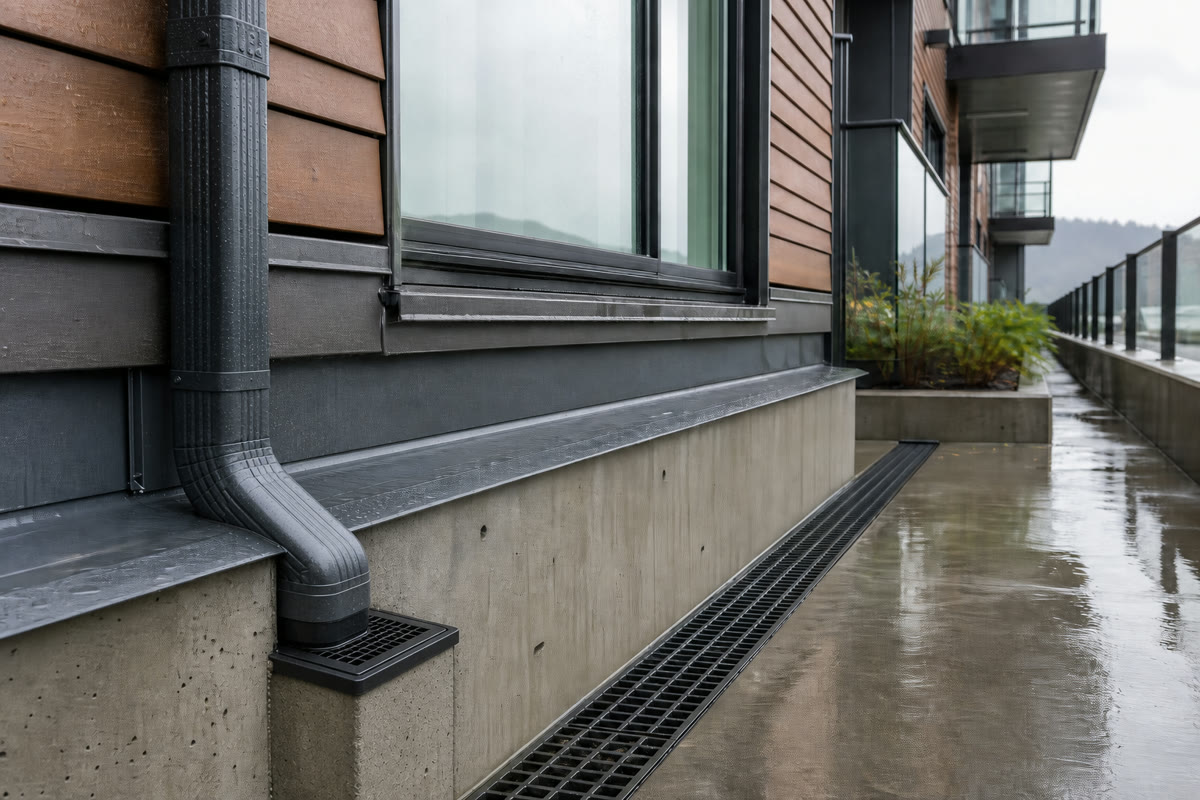
Coastal rain can expose weak roofs, drains, sealants, parkades, and building envelope details. Atmospheric river events make roof drains, catch basins, gutters, and water-routing details especially important. Interior and northern properties may face freeze-thaw cycles, snow loads, or seasonal access issues. Summer heat and wildfire smoke can increase pressure on ventilation, cooling, and filtration systems. Commercial buildings can also face tenant disruption when mechanical systems, access control, loading areas, or life-safety systems fail.
For strata properties, the maintenance issue is also a governance issue. The Province of BC explains that strata corporations are generally responsible for repairing and maintaining common property and common assets, while owners are generally responsible for their own strata lots. Section 72 of the Strata Property Act is central to that repair-and-maintenance framework. The details can depend on bylaws, common property, limited common property, and the facts of the building.
For commercial properties, maintenance connects directly to tenant operations, lease obligations, asset value, owner reporting, insurance documentation, and operating budgets. Even when there is no strata corporation, the building still needs a management process that keeps issues from getting lost.
The Core Components of a Proactive Maintenance System
A proactive maintenance system does not need to be complicated. It needs to be used consistently.
Inspection Routines
Regular inspections help a building stop relying on complaints as its main detection system.

Useful inspection routines may include roofs, drains, exterior walls, parkades, mechanical rooms, electrical rooms, fire and life-safety items, elevators, doors, lighting, access systems, loading areas, waste rooms, landscaping, snow-risk areas, and common areas.
The point is not to turn every inspection into a major project. The point is to notice patterns: staining, pooling water, failing sealants, repeated door impacts, damaged curbs, unusual odours, poor drainage, temperature complaints, or vendor recommendations that keep repeating.
Maintenance Calendars
A maintenance calendar turns routine care into a schedule instead of a memory test.
The calendar should separate monthly tasks, seasonal tasks, annual testing, multi-year work, and capital planning milestones. It should also identify who is responsible, which vendor is involved, what record should be kept, and what follow-up is required.
For BC properties, the calendar should account for local conditions. Roof and drain reviews before heavy rain, heating readiness before winter, cooling and filter planning before summer, and exterior inspections after major weather events are all practical examples.
Issue Tracking
Proactive maintenance depends on open-item tracking.
If an issue is reported, the management record should show what happened, who attended, what was found, what was approved, what remains open, and whether the issue returned. Without that discipline, a building may keep paying invoices without learning anything.
Issue tracking is especially important when councils, owners, managers, vendors, or tenants change. A well-kept record prevents the property from starting over every time someone new asks, “Has this happened before?”
Repair Documentation
The Province of BC’s guidance on repair and maintenance documentation highlights records such as service contracts, repair and replacement records, maintenance plans, manuals, and maintenance logs.
Those records are useful beyond compliance. They support warranty questions, insurance discussions, budget planning, vendor accountability, manager transitions, and owner communication. They also help distinguish a one-time repair from a system that is aging out.
Aligning BC Strata Maintenance With Depreciation Reports and Budgets
For BC strata councils, proactive building maintenance should connect directly to the depreciation report and the financial plan.
The Province of BC says depreciation reports help strata corporations plan for repair, replacement, and renewal of common property and assets over a 30-year period. Current provincial guidance also says strata corporations with five or more strata lots generally must obtain depreciation reports on a five-year cycle from a qualified depreciation report provider, subject to limited exemptions, and may no longer defer getting a report by holding an annual 3/4 vote.
A depreciation report is not a substitute for active maintenance. It is a planning tool. If the report says a system has several useful years remaining but inspections show recurring failure, the council should not ignore the real building condition. If the report identifies a major future project, proactive maintenance helps the council start earlier on records, scope, communication, and budget planning.
For commercial owners, the same principle applies without the strata framework. Maintenance decisions should connect to operating budgets, capital budgets, tenant impact, asset plans, and owner reporting. A reactive property often treats each repair as a surprise. A proactive property uses repair history to improve forecasting.
Vendor Follow-Through and Quality Control
Proactive maintenance depends on vendor accountability.
Vendors may inspect, repair, service, test, clean, quote, or recommend replacement. The property manager’s job is not to blindly accept every recommendation. It is to help organize the work so the council or owner can understand what is urgent, what is routine, what needs more review, and what should be budgeted.
Good vendor follow-through includes:
- clear scopes of work
- site access coordination
- insurance and safety documentation where applicable
- quote comparison for larger work
- deficiency tracking
- confirmation that approved work was completed
- review of repeat service calls
- escalation when the same issue keeps returning
This matters because poor vendor control creates cost leakage. The same problem gets patched repeatedly, invoices are approved without context, and no one has a clear record when the larger repair finally becomes unavoidable.
Communication With Councils, Owners, Tenants, and Occupants
Maintenance is technical, but the impact is human.
Residents, owners, tenants, employees, customers, and vendors may all be affected by access changes, service interruptions, noise, odours, water shutoffs, elevator work, roof projects, parking impacts, and after-hours emergencies.
A proactive maintenance process should include communication planning. Councils and owners need enough information to make decisions. Tenants and occupants need timely, practical updates. Vendors need access instructions. Records should show what was communicated and when.
This is where effective BC strata management and commercial property oversight overlap. Different audiences may have different rights and responsibilities, but the building still needs clear communication and documented follow-through.
Emergency Readiness Is Part of Being Proactive
Proactive maintenance does not eliminate emergencies. It makes the building better prepared for them.
A property should have current emergency contacts, vendor escalation paths, after-hours procedures, key access information, shut-off locations, insurance contacts, restoration contacts, and communication templates for common events.
Water leaks, fire alarm events, elevator shutdowns, power issues, access failures, storm damage, security incidents, and mechanical failures can move quickly. If the first hour is spent looking for basic information, the building is already behind.
The strongest maintenance programs use emergencies as feedback. After the event, they ask what failed, what worked, what records need updating, which vendors performed well, and whether a preventative or capital item should be added to the plan.
When Consulting Support Becomes Useful
Some maintenance issues are routine. Others need more structured review.
If a building has repeated leaks, unclear repair scopes, aging mechanical equipment, envelope concerns, conflicting vendor recommendations, or major budget impact, the council or owner may need help organizing the next step.
In these complex scenarios, Duka’s BC building consulting support can help coordinate building records, vendor information, budgets, and professional advice. The role should be understood carefully: management and consulting support help organize the process, while engineers, lawyers, accountants, insurance advisors, and other regulated professionals should be used where their expertise is required.
How Duka Supports Proactive Maintenance in BC
Duka’s BC service model supports strata councils and commercial owners through property management, communication, financial reporting, vendor coordination, emergency response coordination, and access to consulting support where appropriate.
For proactive building maintenance, that combination matters because the work does not sit in one department. A recurring roof issue may involve vendor history, council communication, owner funding, depreciation planning, technical review, insurance records, and emergency response. A commercial building system failure may involve tenant impact, operating budgets, vendor performance, owner reporting, and capital planning.
Learn more about Duka Management’s BC team, review our BC property management FAQ, or contact our BC office if your property needs a more organized maintenance process.
FAQ: Proactive Building Maintenance in BC
What is proactive building maintenance?
Proactive building maintenance is a structured system for inspecting, documenting, tracking, budgeting, and following up on building issues before they become emergencies. It connects routine maintenance to longer-term planning and better decision-making.
What is the difference between preventative and proactive maintenance?
Preventative maintenance is usually schedule-based, such as servicing equipment or cleaning drains. Proactive maintenance uses those tasks plus records, patterns, vendor notes, budgets, depreciation reports, and communication to guide better decisions.
Who is responsible for maintenance in a BC strata?
The strata corporation is generally responsible for repairing and maintaining common property and common assets, while owners are generally responsible for their strata lots. Bylaws, limited common property, and building-specific facts can affect responsibility.
How does proactive maintenance help with depreciation reports?
Proactive maintenance helps councils compare the depreciation report against actual building condition. If maintenance records show recurring failures, the council can investigate early, update planning assumptions, and communicate budget implications more clearly.
Why does repair documentation matter?
Repair documentation helps with warranty questions, vendor accountability, insurance discussions, owner communication, budgeting, and manager transitions. Without records, the building loses history and may repeat the same decisions.
Final Thoughts
Proactive building maintenance is not about making a property perfect. It is about giving councils and owners a better operating system.
For BC strata and commercial properties, that means fewer decisions made in crisis, stronger records, clearer vendor follow-through, better budget conversations, and more confidence that the building is being watched before problems become expensive.
If your BC strata or commercial property needs stronger maintenance coordination, review Duka’s BC property management services or request a BC property management proposal today.