
By Nida Galanxhi, Director of Operations, Duka Property Management
The master key system is one of the most sensitive and powerful tools available to property management in a condominium setting. It enables access to private residences and is designed to be used only under very specific and serious circumstances. At Duka Property Management, we take this responsibility seriously.
While the master key system plays a critical role in protecting buildings and residents, it must be managed with caution, transparency, and proper oversight. Our policies are based not only on industry best practices, but also on lessons learned from real legal cases involving misuse of access.

What Is the Master Key System For?
Most condominium corporations have a master key system that allows authorized personnel to access all units in the building. This system ensures that management or emergency services can act quickly in urgent situations.
Master keys are intended to be used in events such as:
- Fires
- Floods or water leaks
- Gas leaks
- Emergency wellness checks
- Situations where there’s a risk to life or property
Outside of these scenarios, the key should remain secured and unused.
Why Lockouts Are Not Considered Emergencies
It’s not uncommon for residents to get locked out of their unit or forget their keys. As inconvenient as this may be, it’s important to understand that these situations do not qualify as emergencies. Duka’s position is that the master key should not be used to let someone into their unit simply because they’ve lost or forgotten their keys.
This is not just about enforcing policy—it’s about protecting all residents’ privacy and the legal integrity of the corporation. Staff on site, including security and concierge teams, are not in a position to fully assess the context of every request for access. And even seemingly innocent situations can carry legal risk.
In fact, there has been at least one case in Ontario where a condominium corporation and its property manager were found liable after giving access to an individual who was no longer legally entitled to enter the unit. Outdated records had shown the individual as a resident, but unbeknownst to staff, they had moved out—and were no longer on title. The court sided with the actual owner, who had not authorized the entry.
This case reinforces why access policies need to be strict, and why exceptions can open the door to legal trouble.
The Manager’s Role: Creating a Secure Access Plan
Property managers have a key role to play in maintaining security. In addition to following the access policy, managers should prepare a Master Key Access Plan for the building. This document outlines:
- Who is permitted to access the master key (e.g., property manager only, or emergency responders when required)
- When the key may be used (e.g., emergency situations, annual suite inspections)
- Where the key is stored (e.g., in a locked cabinet, with a detailed access log)
This plan should be reviewed and approved by the Board of Directors, and updated if policies or personnel change. A documented, Board-approved plan ensures accountability and helps avoid disputes or misunderstandings.
Can the Board Decide to Allow Lockout Access?
Yes. Although Duka’s general policy is to restrict access to emergency use only, the Board of Directors has the authority to adopt a building-specific policy if it chooses.
Some Boards, for example, may decide that if a registered unit owner (not a tenant) is locked out, management can provide access—under tightly controlled conditions.
If the Board wants to go in that direction, Duka strongly recommends:
- Access be granted only to the owner (not to cleaners, dog walkers, or family members)
- Photo ID with a matching unit address must be shown
- The owner must be listed in the corporation’s records
- A waiver—prepared by the corporation’s lawyer—must be signed at the time of access
We caution against broadening this too far. If access is granted to anyone beyond the legal owner, the risk of disputes or unintended consequences increases significantly.
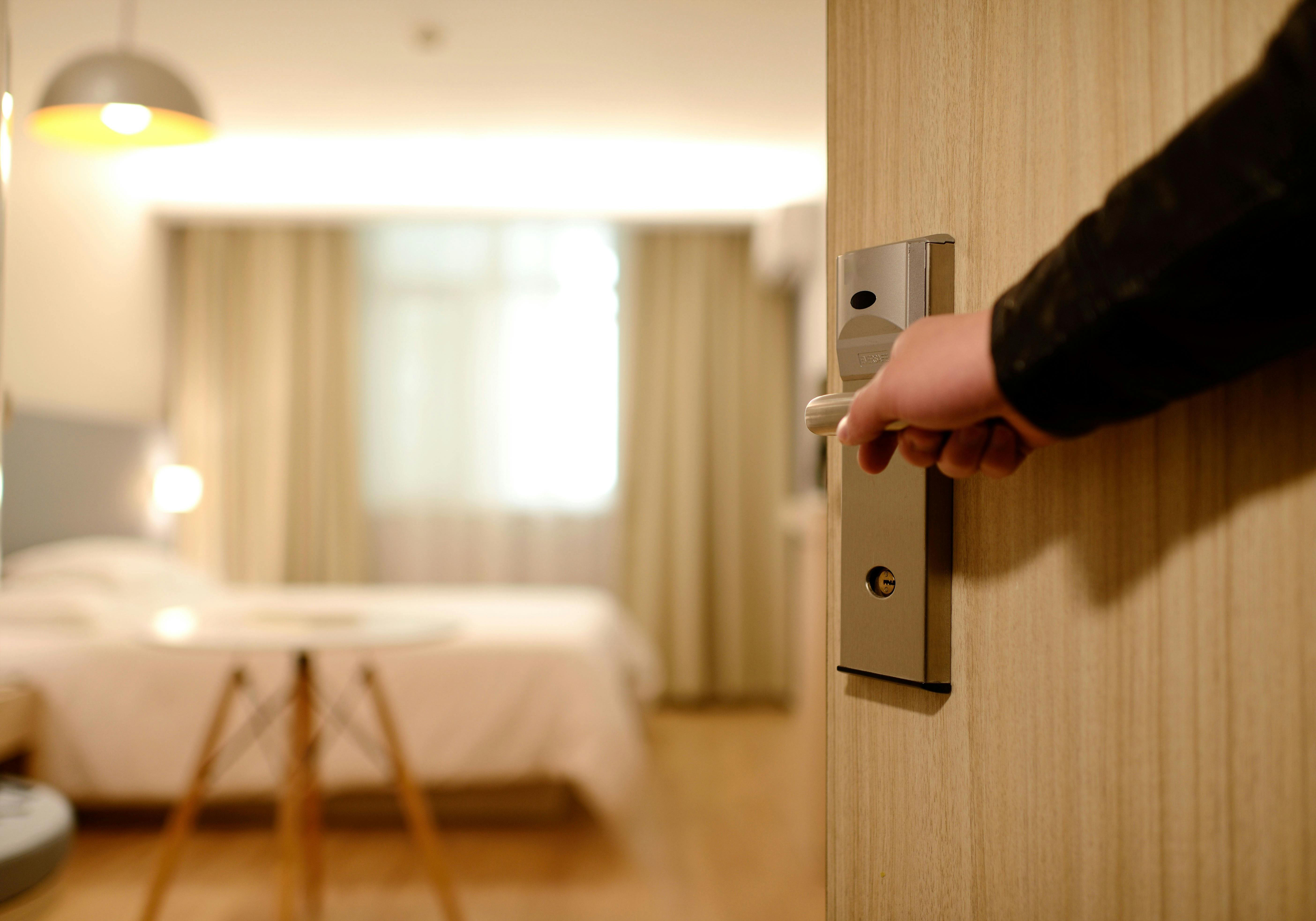
Tenants: A Special Consideration
Tenants do not have a direct legal relationship with the condominium corporation. Even if they are registered in building systems, they are not owners. For this reason, Duka staff and building personnel will not provide access to tenants under any circumstance. If a tenant is locked out, they must contact their landlord or property manager.
It’s a distinction that can be frustrating in the moment, but it’s one that protects both the building and the owner from future complications.
The Importance of a Clear, Consistent Policy
Regardless of which approach a building takes, the most important thing is clarity. Residents need to understand what to expect. Staff need to understand what is allowed. And the Board needs to be confident that access to units is being handled properly.
Master keys offer significant operational and emergency advantages—but only when treated with the care they demand. Duka encourages all Boards to review their access policy regularly, determine whether any customizations are necessary, and ensure that the building’s procedures reflect those decisions in writing.