
A pipe bursts at 2 a.m. Water is moving through three floors. In that moment, the quality of your building’s emergency response is decided by one thing: whether the people on site know exactly what to do, in what order, without waiting for instructions. Most buildings discover their plan’s gaps during the emergency itself. The time to find them is now, on paper, while nothing is leaking.
Here is what a working condo emergency response plan contains, and how to make sure it is real rather than theoretical.
The first 30 minutes decide the cost
Most emergency damage is not caused by the event. It is caused by delay: water that runs for two hours instead of twenty minutes, an alarm treated as a malfunction instead of a fire, a shut-off valve nobody could find. A response plan exists to compress the first 30 minutes into a sequence people can execute under stress.
What the plan must cover
Who gets called, in what order
A written call sequence: the on-site staff or superintendent, the management company’s after-hours line, the board contact, and the trade needed. One page, posted where night staff and security can reach it, with current phone numbers. A call tree that lives in a departed manager’s email is not a call tree.
Where the shut-offs and controls are
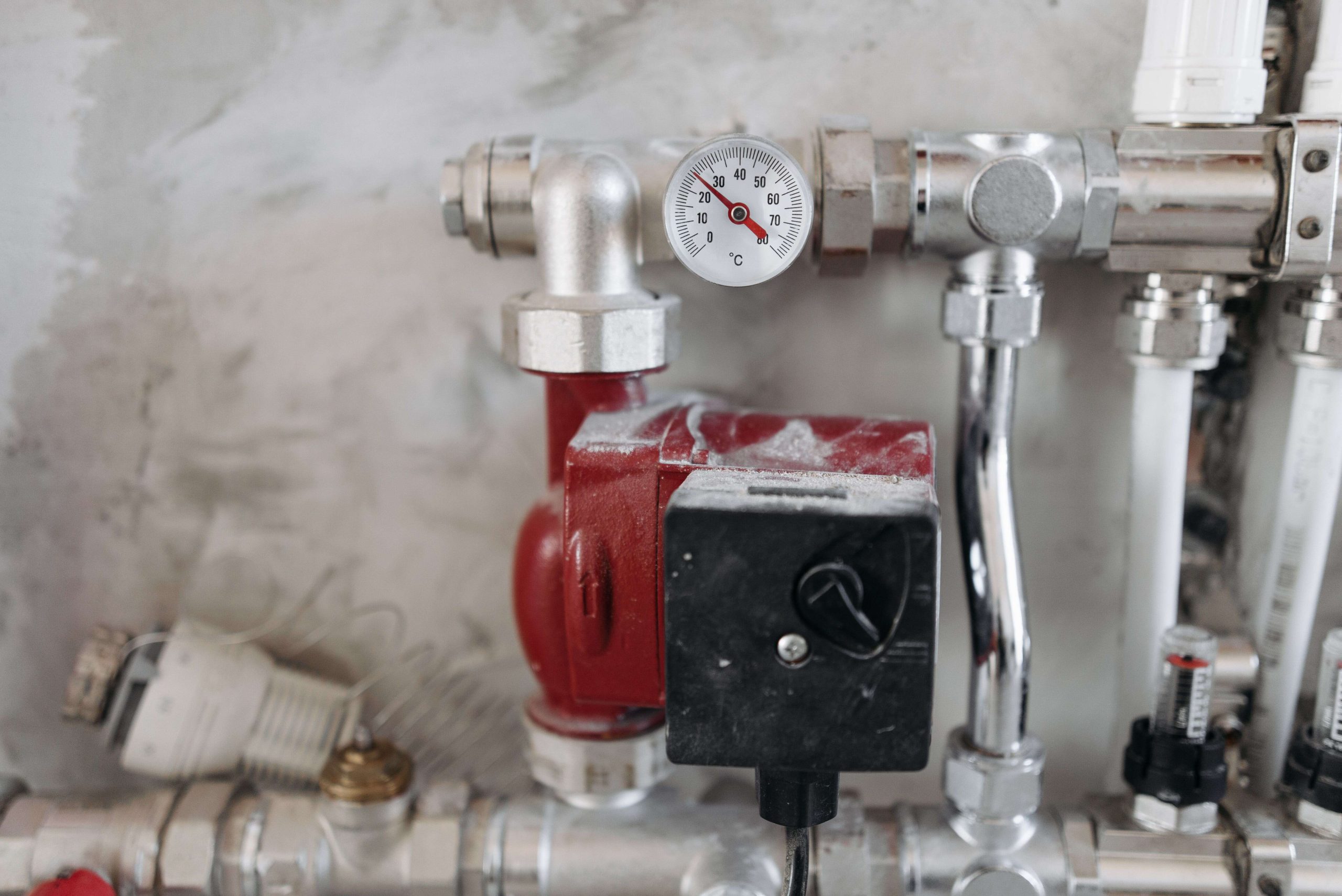
Water mains and zone shut-offs, gas shut-off, electrical rooms, fire panel, elevator controls, generator and fuel details. Locations should be written down and physically labelled in the building. In a flood, the difference between a minor claim and a major one is often a valve that takes four minutes to find instead of forty.
The building-specific procedures
Fire alarm and evacuation support, elevator entrapment, flood response, power failure, and severe weather. Ontario’s Fire Code already requires a fire safety plan for the building; the emergency plan extends that discipline to everything else that can go wrong. Procedures should name who does what, because “someone should call the plumber” means nobody does.
How residents get told
Residents need information during an emergency, not after it. The plan should cover how notices go out, who approves them, and what residents are told about water shut-offs, elevator outages, and re-entry. Silence creates panic and a flood of calls that slows the actual response.
Insurance and documentation from the first hour
Who notifies the corporation’s insurer, and what gets documented while the event is unfolding: photos, times, decisions, and who authorized emergency spending. Insurers and adjusters work from records. So does your board when the invoices arrive. Good emergency documentation is part of managing the corporation’s records, and it is where many claims succeed or fail. It also closes the gap most boards do not know they have until an insurer asks questions, which our article on the coverage gap covers in detail.
Picture the owner who spent $40,000 turning a builder-grade box into a beautiful home — quartz counters, real hardwood, the walk-in shower of their dreams. A fire sweeps through, and the Corporation’s insurance dutifully rebuilds them… a builder-grade box. The quartz becomes laminate. The hardwood becomes whatever was cheapest in 2015. Restored to standard, exactly as promised — and nothing like what they lost.
A plan nobody knows is not a plan
Three habits separate real plans from binders:
- Walk it. Site staff should physically walk the shut-offs and panel locations, not just read about them. New staff get the walk in their first week.
- Review it on a schedule. Phone numbers change, staff change, vendors change. Review the plan at least annually and after every real incident, and fold the review into the board’s regular risk management cycle.
- Debrief every incident. After any emergency, write down what worked, what did not, and what changes. An incident you do not learn from is tuition paid for a lesson never received.
Emergency plan checklist
- One-page call sequence with current numbers, posted for night staff and security
- Shut-off and control locations documented and labelled in the building
- Written procedures for fire, flood, entrapment, power failure, severe weather
- Resident communication protocol: who sends, who approves, what channels
- Insurer notification steps and emergency spending authority defined in advance
- Emergency vendor list with verified insurance, agreed before they are needed
- Incident documentation started during the event: photos, times, decisions
- Annual plan review scheduled, plus a debrief after every real incident
The bottom line
Emergencies are not predictable. Responses are. The buildings that come through them cheaply are not luckier; they are the ones where the first phone call, the first valve, and the first decision were decided long before 2 a.m.
Duka builds and maintains emergency response plans for every corporation we manage, and reviews them with site teams on a set cycle. If your building’s plan is a binder nobody has opened, talk to our management team about what should be in it.